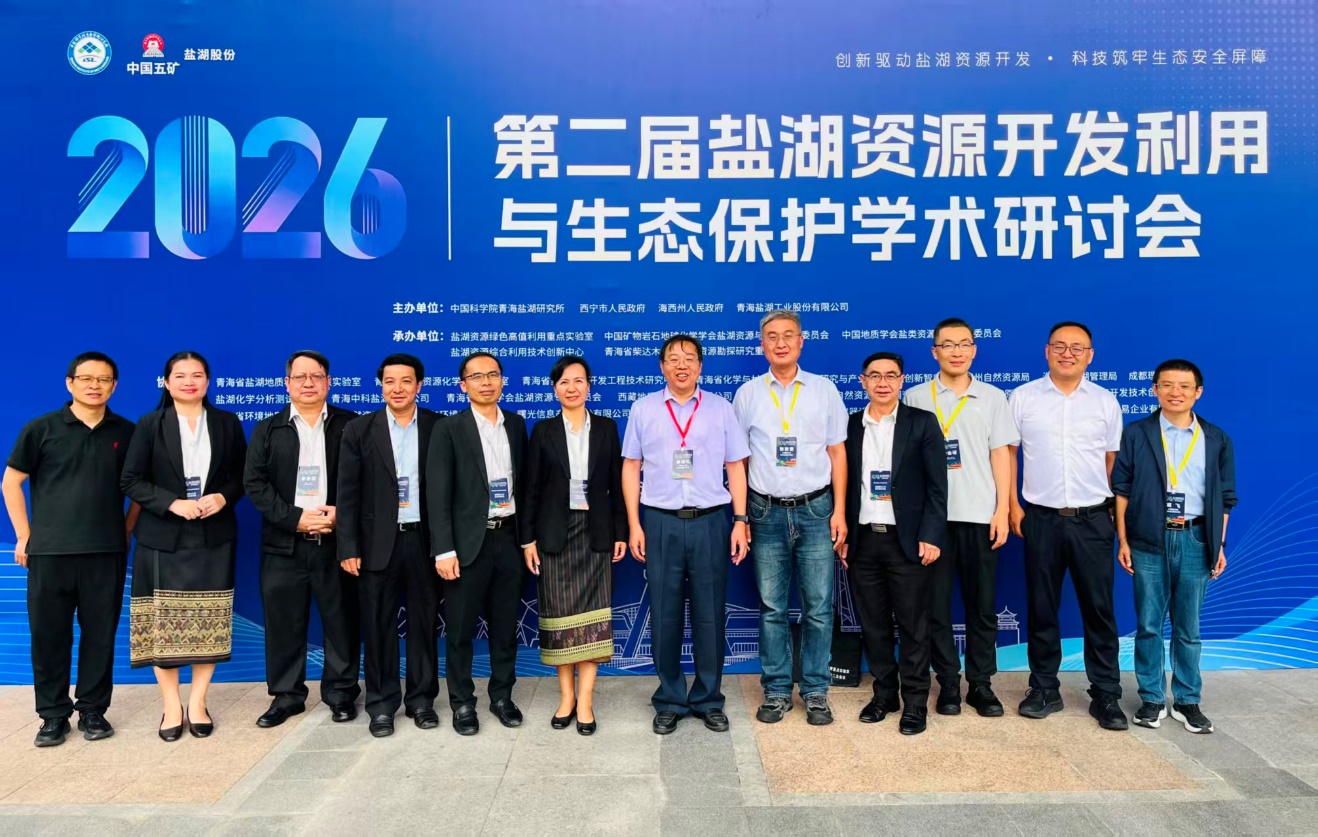
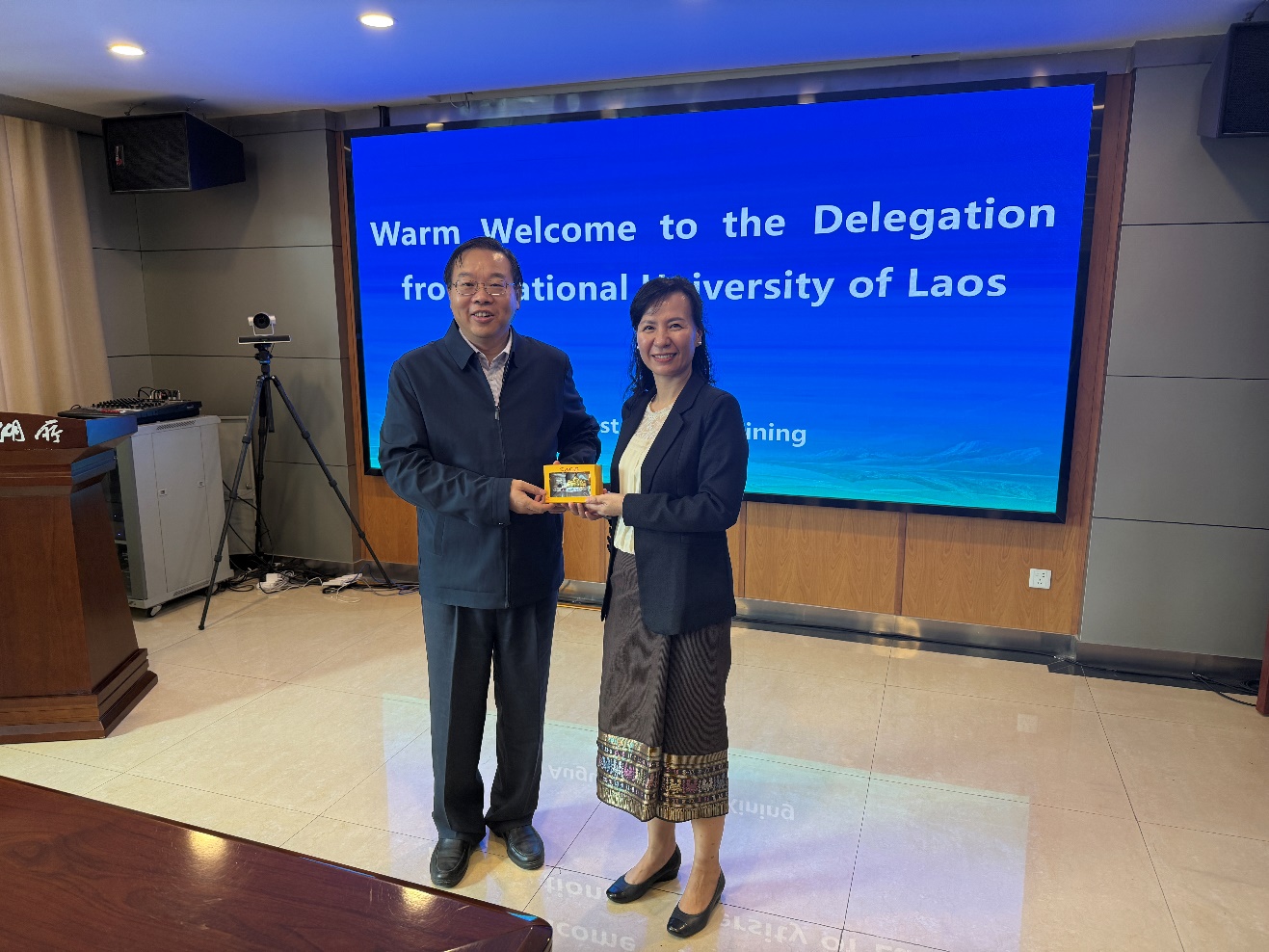
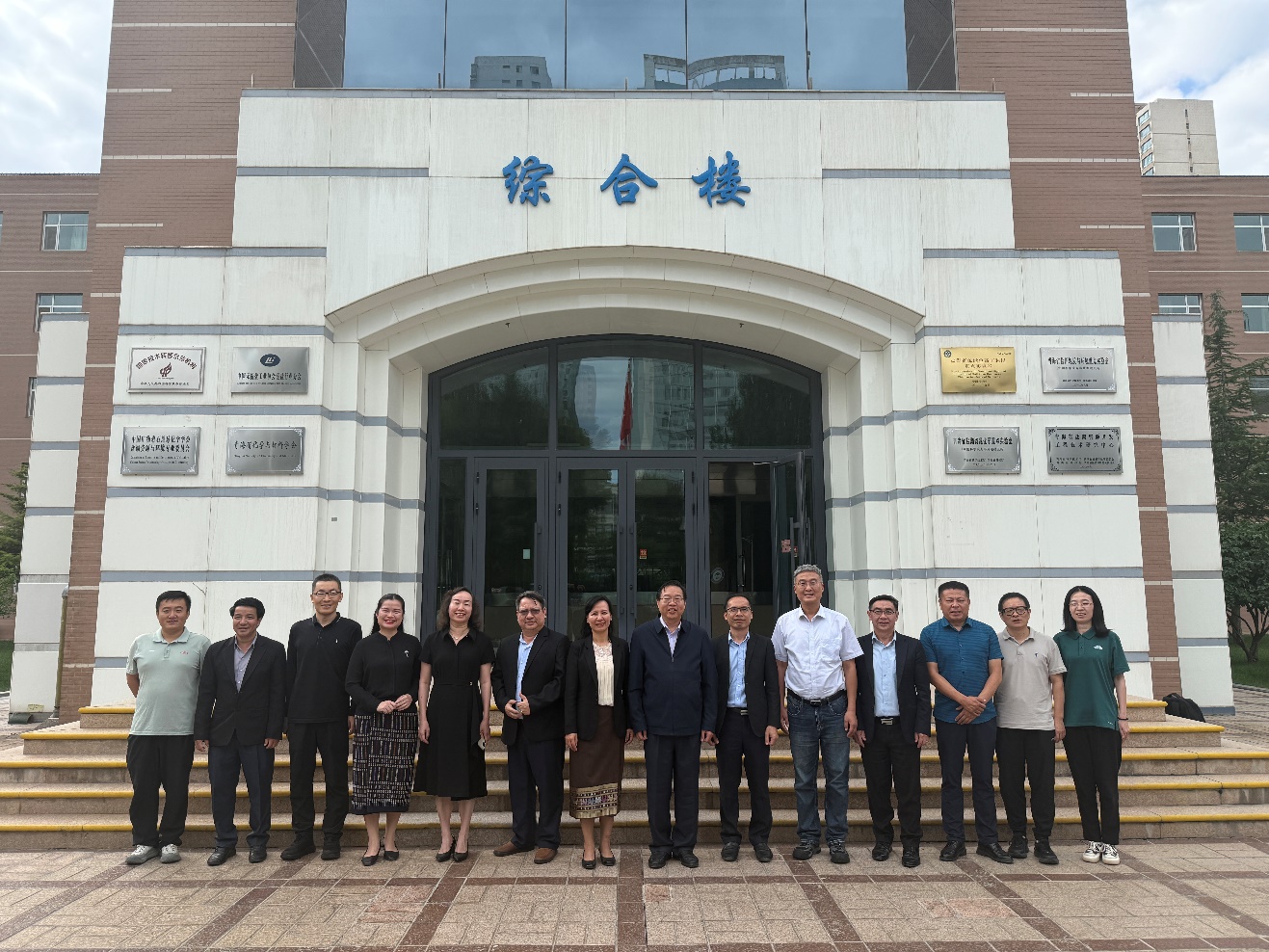
To deepen practical scientific and technological innovation cooperation between China and Laos under “the Belt and Road Initiative”, and advance cross-border academic exchanges and coordinated development in resource and ecological fields, on August 21, Dr. Vanseng Chounlamany, Dean of the Faculty of Natural Sciences, National University of Laos, led the faculty’s leadership team and core academic researchers to Xining, Qinghai. Invited by Deputy Director Zheng Shili (presiding over daily work) of the Qinghai Institute of Salt Lakes (ISL), the delegation attended the 2nd Academic Seminar on Salt Lake Resource Development and Ecological Protection. They conducted in-depth docking and exchanges with domestic scientific research institutions, building a new bridge for Sino-Laos scientific and technological cooperation in the field of potash resources.
Centered on the theme of "Driving Innovative Salt Lake Resource Development and Building an Ecological Security Barrier through Science and Technology", the seminar focused on cutting-edge research areas including efficient utilization, green development and ecological protection of salt lake resources. It gathered experts and scholars from numerous domestic and foreign scientific research institutions and universities to explore high-quality green development paths for the salt lake industry. Serving the construction of China’s world-class salt lake industrial base, the seminar provided solid academic support and technological empowerment, standing as a high-level and influential academic exchange event in China’s salt lake research field.
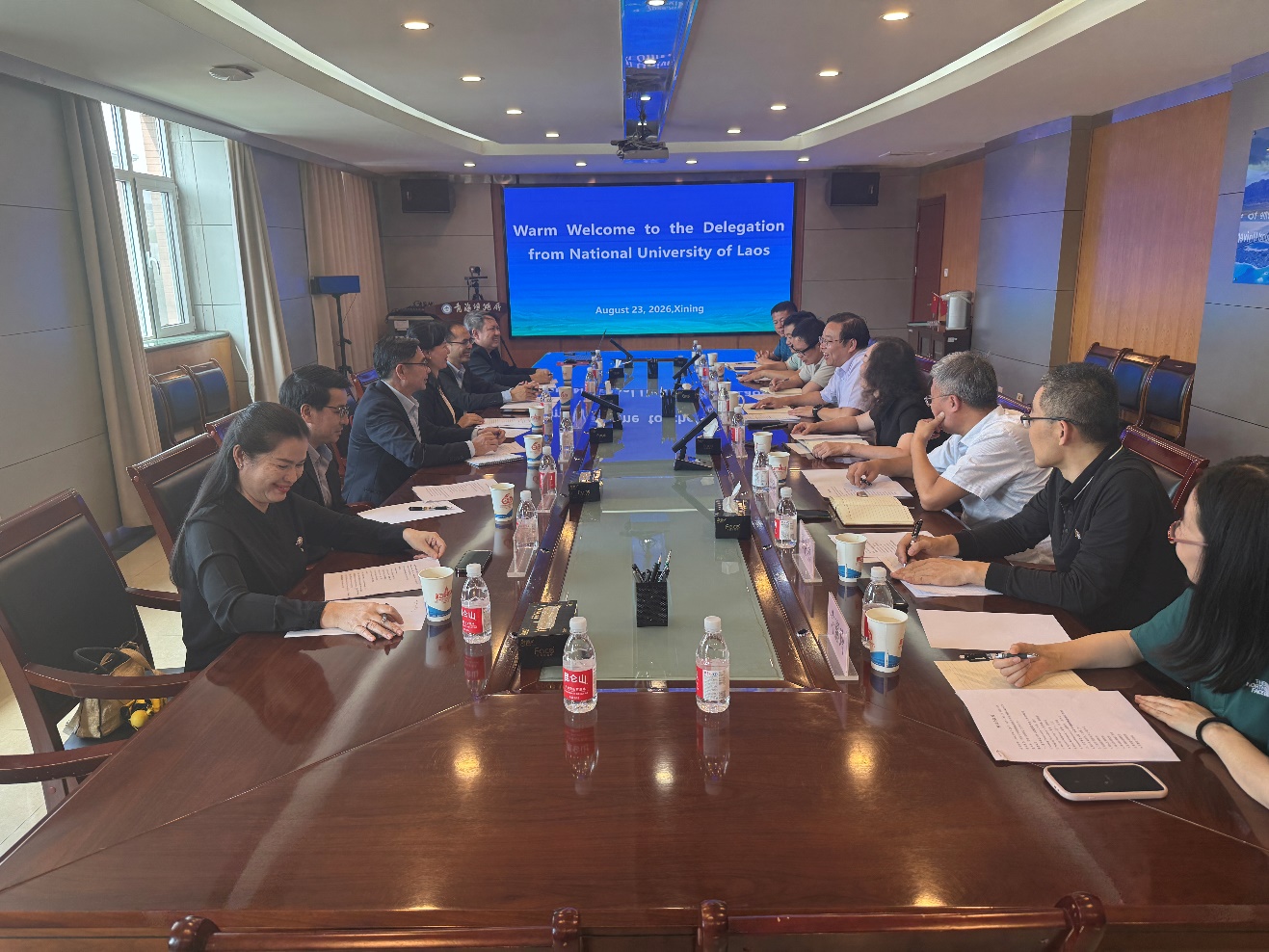
Throughout the seminar, the delegation from the National University of Laos actively participated in various academic discussions and thematic exchanges, systematically learning advanced technologies and mature practical experience of China in salt lake resource development and ecological environmental protection. After the seminar, the delegation paid a special visit to ISL for targeted and in-depth exchanges. The two sides conducted in-depth discussions on core topics including in-depth salt lake resource research, green and low-carbon potash development, transformation of academic achievements, joint training of international talents, and co-construction of scientific research projects. They fully exchanged research ideas and cooperation visions and reached a number of preliminary cooperation consensus, clarifying the direction for future regular collaboration.
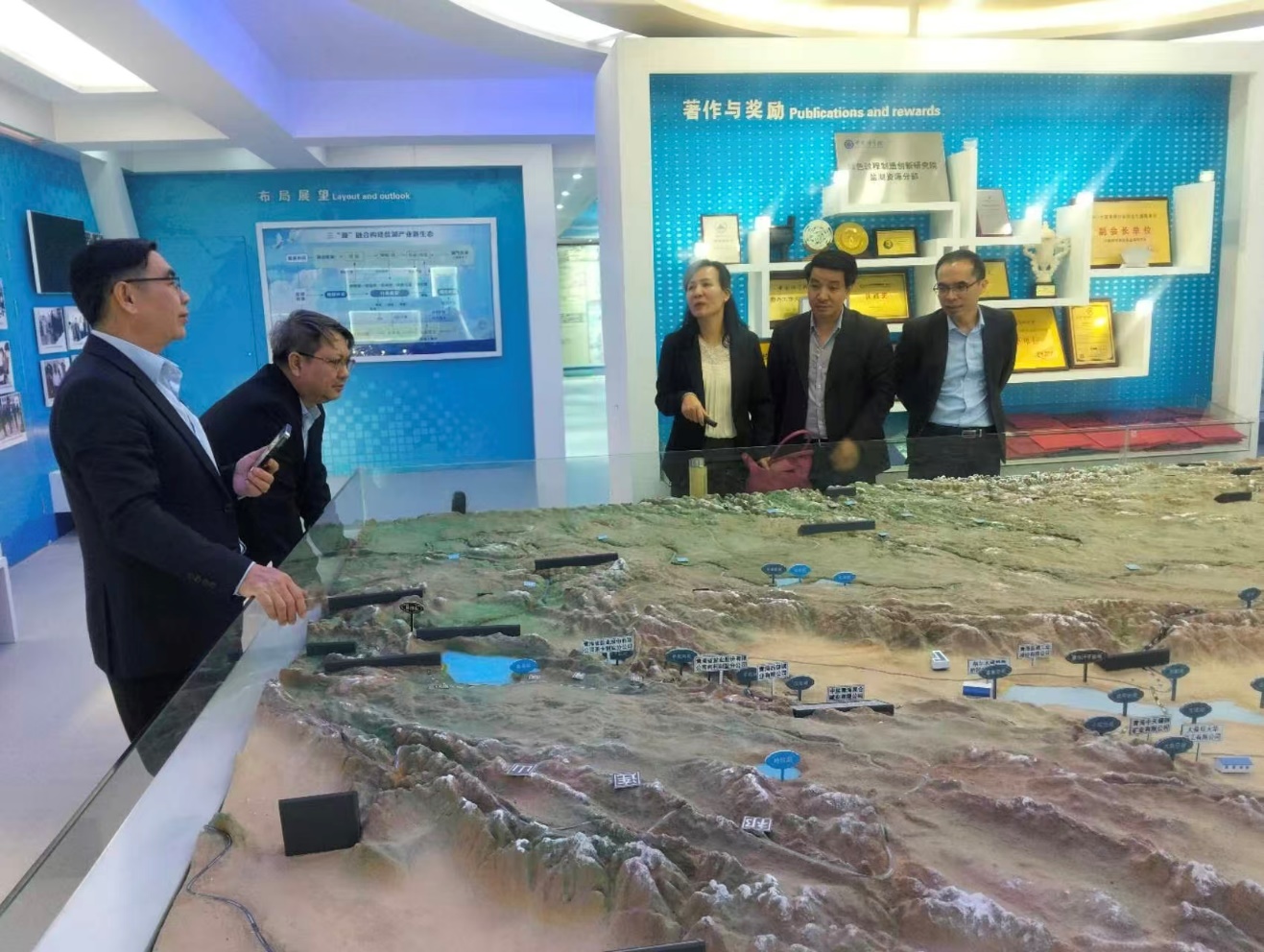
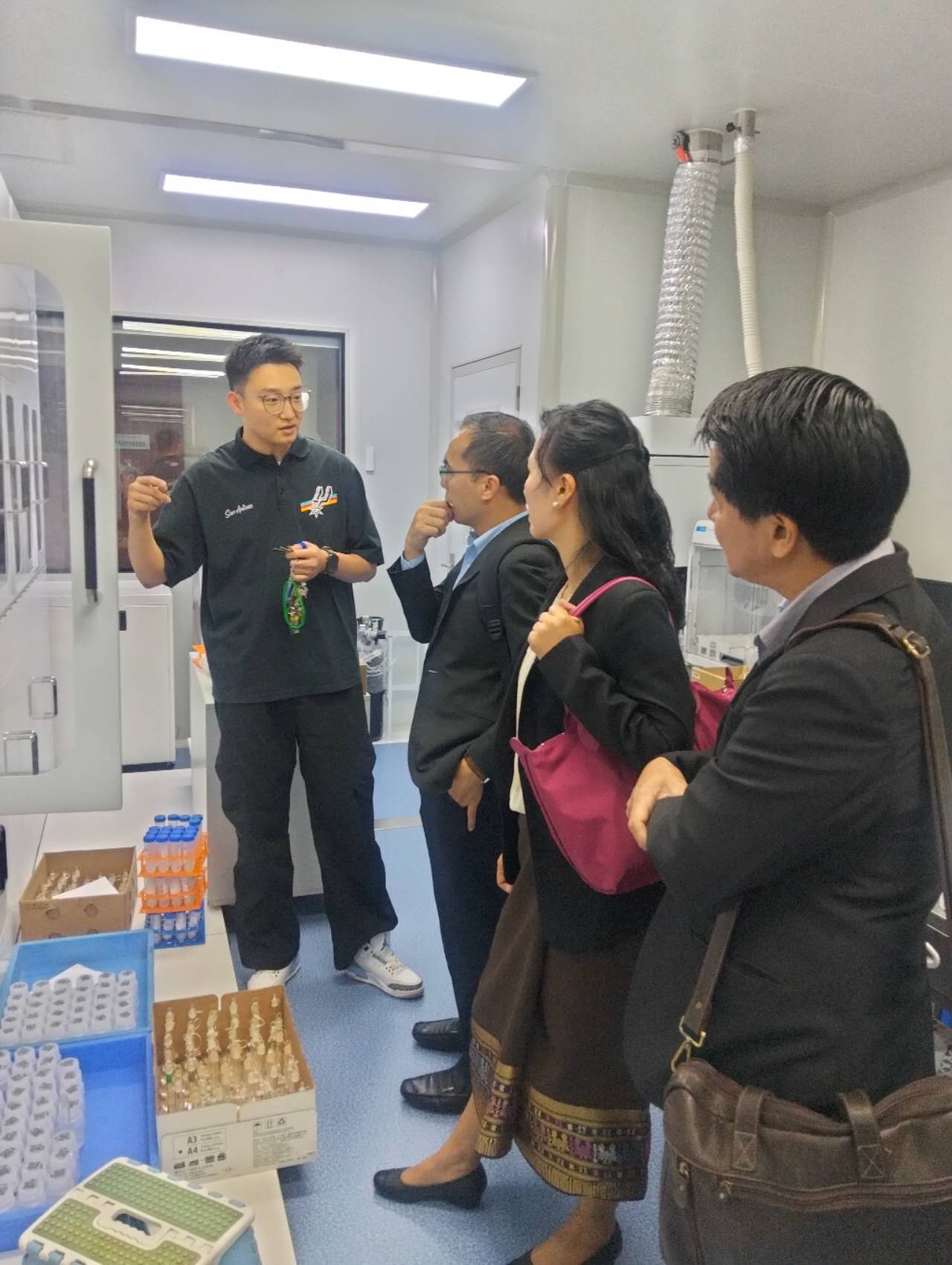
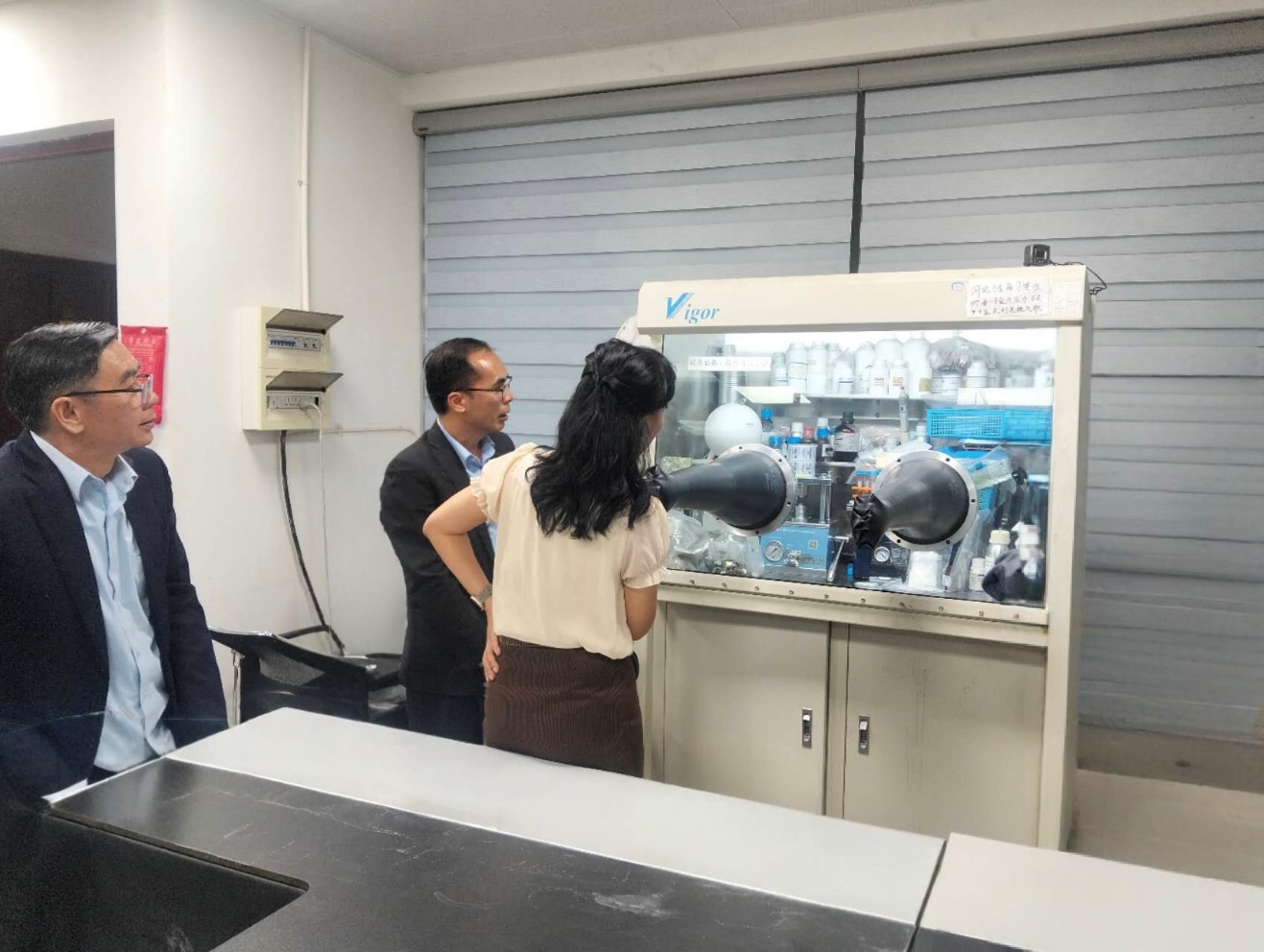
In addition, the delegation visited the standardized testing laboratories, precision analytical research facilities and science and technology exhibition hall of ISL. Through on-site observation and face-to-face communication, the delegation gained a comprehensive understanding of the institute’s research platform construction, core technological breakthroughs, industrial application of scientific research achievements and disciplinary development. It directly witnessed China’s robust scientific research strength and innovative achievements in salt lake resource exploration, green potash development and mining area ecological restoration, laying a solid practical foundation for subsequent technological exchanges and scientific research collaboration between the two sides.
The Lao delegation spoke highly of the outcomes of the exchange visit to Qinghai and sincerely thanked ISL for its thoughtful arrangement and professional knowledge sharing. The delegation stated that the fruitful and far-reaching exchange has not only built an efficient two-way academic communication platform, but also broadened the prospects for joint scientific research and collaborative innovation between China and Laos in resource environment and ecological protection fields.
Both sides agreed to take this seminar as an important opportunity to continuously deepen regular scientific research cooperation. They will steadily promote the implementation of multi-dimensional cooperation including academic exchanges, joint scientific research and talent training, further elevate the quality and effectiveness of Sino-Laos scientific and technological innovation cooperation under “the Belt and Road Initiative”, and boost the coordinated high-quality development of resource and ecological sectors in the two countries.